Your Year in the Garden: A Month-by-Month Planting Guide for Kitsap County
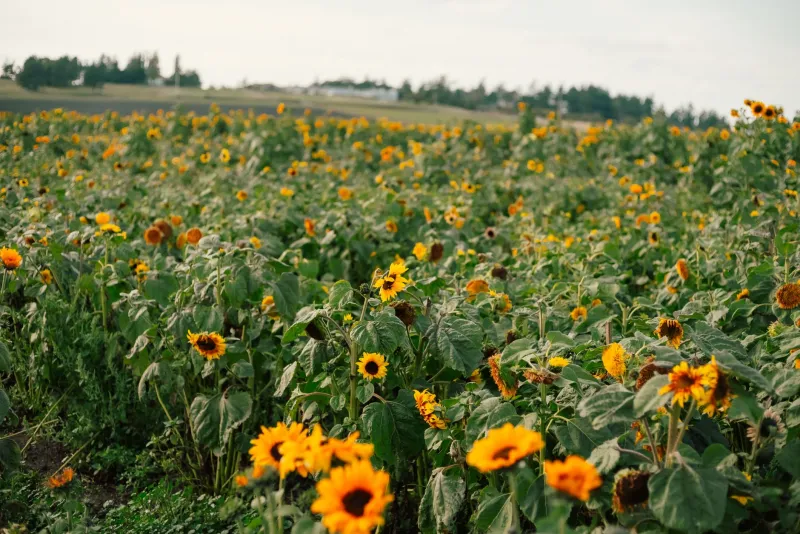
Gardening in Kitsap County has its own rhythm. We're not quite Zone 8b everywhere, and we're not quite Zone 8a either — depending on whether you're closer to the water near Silverdale or tucked into the hills above Port Orchard, your frost dates and drainage conditions can vary more than most people expect. What that means in practice is that a generic planting calendar from a national gardening magazine probably isn't doing you any favors.
This guide is built around what actually happens here — the soggy Februaries, the surprise late frosts in April, the dry stretches in July, and the surprisingly productive falls. Whether you're a first-year gardener trying to figure out when to put in tomatoes or a seasoned grower looking to squeeze more out of your beds, consider this your local roadmap.
January: Dream Big, Start Small
January in Kitsap is mostly gray and wet, but that doesn't mean you're idle. This is the month to order seeds, flip through catalogs, and plan your beds on paper before the ground even thinks about drying out.
If you have a grow light setup indoors, you can start onions from seed mid-month — they need a long head start. Cool-season greens like kale, spinach, and chard can also be started indoors or in a cold frame if you're eager. Outside, bare-root trees and shrubs can go in the ground during dry spells since the soil stays workable most winters here.
February: The Cold Frame Crowd
February brings more of the same weather, but the days are noticeably getting longer and soil temperatures are slowly creeping up. This is a great month to direct-sow cold-hardy crops under cover — think mâche, arugula, and spinach in a cold frame or low tunnel.
Indoors, start leeks and celery from seed. These are slow growers that benefit enormously from an early start. If you haven't pruned your roses, fruit trees, or summer-blooming shrubs yet, now's the window before new growth kicks in.
March: The Real Starting Gun
March is when Kitsap gardeners start to get genuinely excited. Seed-starting ramps up indoors — tomatoes, peppers, and eggplant should all go under lights this month if you want transplant-ready starts by late May. Brassicas like broccoli, cabbage, and cauliflower can also be started now.
Outdoors, peas can go directly in the ground once soil is workable. Potatoes can be chitted (pre-sprouted) on a windowsill in preparation for April planting. Perennial divisions and bare-root strawberries are also fair game once you have a dry enough day to work the beds.
April: Proceed with Caution
April is where Kitsap gardeners get burned. The warm days feel like an invitation, but late frosts are absolutely possible through mid-month — and occasionally into early May in low-lying areas. Don't rush your tomatoes and peppers outside yet.
What you can do: direct-sow carrots, beets, chard, and lettuce. Transplant cold-hardy starts like broccoli and kale with row cover ready. Plant potatoes in the ground. Set out onion sets. This is also an excellent month to plant native shrubs and perennials from our stock — the cool, moist soil helps them establish before summer stress sets in.
May: The Big Push
By mid-May, most of Kitsap is past frost risk and the garden really opens up. This is when warm-season vegetables go in: tomatoes, peppers, squash, cucumbers, and beans. Choose a cloudy day for transplanting if you can — it reduces shock on starts that have been living under artificial lights.
Direct-sow beans, corn, and squash seeds directly in the ground. Plant basil once nights stay reliably above 50°F. Hanging baskets and container plantings can go outside for good. Perennials and ornamental grasses planted now will establish quickly with the warming soil.
June: Full Swing
June is glorious. Everything is growing, the days are long, and the workload shifts from planting to maintaining. Keep up with succession planting for lettuce and other greens so you don't hit a midsummer gap. Direct-sow a second round of beans. Start winter squash if you haven't yet — they need time.
This is also the month to start thinking ahead. Brassicas for fall harvest — broccoli, Brussels sprouts, cabbage — should be started from seed indoors or in a nursery bed in late June for transplanting in July.
July: Plant for Fall Now
July feels like peak summer, but experienced Kitsap gardeners know this is actually a critical month for fall and winter gardening. Transplant your brassica starts into their final beds. Direct-sow kale, chard, and turnips for fall harvest. Start leeks for overwintering.
Keep watering consistent — July and August are our driest months, and young transplants need attention. Mulch around everything to hold moisture.
August: Harvest and Hustle
August is about keeping up with what's producing while still planting for the shoulder season. Direct-sow spinach and arugula for fall harvest. Get a final round of lettuce in. Plant garlic sets if you can find them early — most years, late August works fine here even though October is more traditional.
This is also a great time to plant perennials and shrubs. The warm soil encourages fast root establishment before the rains return.
September: The Second Spring
September in Kitsap can feel like a second spring — mild, often sunny, and suddenly productive again. Cool-season crops love it. Keep sowing spinach, arugula, and Asian greens directly in the ground. Garlic goes in this month for most gardeners. Plant cover crops like crimson clover or winter rye in any beds you're done with.
Fall-blooming natives like asters and goldenrod are doing their thing now — enjoy them and note which ones you want more of next year.
October: Garlic and Goodbyes
October is garlic month. Get your hardneck varieties in the ground — we carry a solid selection here at the nursery — and they'll overwinter and be ready for harvest next July. Plant spring bulbs: tulips, daffodils, alliums, and crocuses go in now for a payoff in March and April.
Clean up spent annuals, cut back perennials that need it (but leave some seed heads for birds), and add compost to your beds before the rains really set in.
November: Slow Down and Prep
November is for wrapping up. Mulch perennial beds and root vegetables you're overwintering in the ground. Plant bare-root trees and shrubs on dry days. Any remaining spring bulbs should go in before the ground gets too cold and saturated.
This is also a good time to get a soil test done so you know exactly what amendments to add over winter.
December: Rest, Reflect, and Plan Again
December is the quietest month in the garden, and that's okay. Let the beds rest. Flip through those seed catalogs that start arriving mid-month. Think about what worked this year and what you'd do differently.
If you have a cold frame, you may still be harvesting mâche, spinach, or kale. Otherwise, the garden is doing its quiet winter work underground — and so are you, getting ready to start the whole cycle again in January.
No two years in Kitsap are identical, which is part of what makes gardening here endlessly interesting. Use this calendar as a framework, but stay flexible. The soil, the weather, and your own observations will always be the best guide. Stop by Kitsap Country Nursery whenever you're ready for seeds, starts, or just a conversation about what's worth growing this season — we're here for all of it.