Get the Timing Right: Planting Spring Bulbs in Kitsap Without Losing Them to a Late Freeze
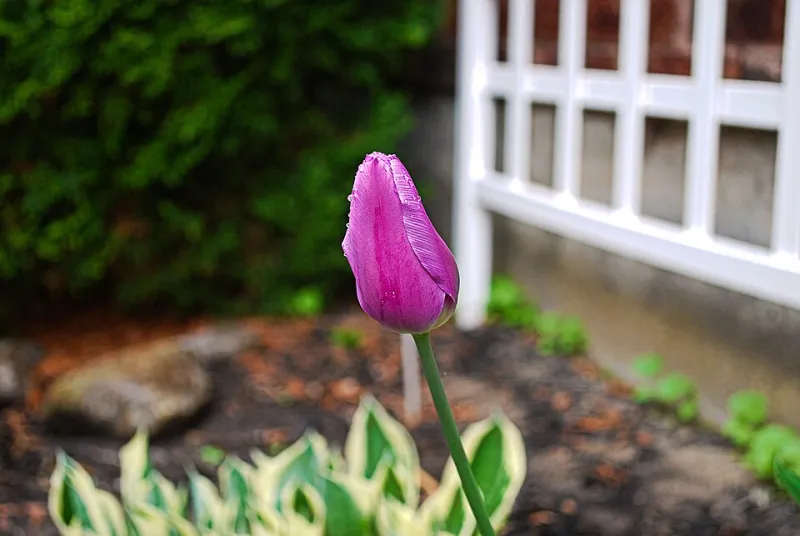
Photo: Enoch Leung from Canada, CC BY-SA 2.0, via Wikimedia Commons
The Calendar Lie We All Fall For
Every February, the garden catalogs start rolling in. The photos are gorgeous—tulips in jewel tones, daffodils nodding in soft sunlight—and before you know it, you've got a bag of bulbs and a shovel and you're outside in a drizzle wondering if this is a good idea.
Spoiler: it might not be. Not yet, anyway.
Kitsap County sits in that tricky Pacific Northwest zone where winter doesn't leave on a schedule. We get warm stretches in February that feel like spring, followed by hard frosts in late March that catch everyone off guard. If you've lost early bloomers to a cold snap before, you already know how demoralizing that is. The good news is that smarter timing—not better luck—is what separates a thriving spring garden from a frost-blasted disappointment.
Soil Temperature Is Your Real Calendar
Forget the date on the seed packet. What actually matters when it comes to bulb planting is what's happening underground. Most spring-blooming bulbs need a period of cold dormancy to trigger proper flowering, which means they should go in the ground while soil temps are still cool—ideally between 40°F and 50°F.
You can pick up an inexpensive soil thermometer at any garden center (including ours) and check the temperature at about 6 inches deep, which is roughly where most bulbs will sit. In Kitsap, that sweet spot typically arrives in October through early December for fall planting, but for spring planting of summer bulbs like dahlias or gladiolus, you're waiting until soil consistently holds above 55°F—which around here might not happen until late April or even May in shadier spots.
The takeaway: trust your thermometer more than the calendar, and definitely more than the weather app.
Which Bulbs Can Handle a Cold Surprise
Not all bulbs are equally fragile. Some are actually built to shrug off a late freeze, and knowing which ones those are can save you a lot of heartbreak.
Daffodils and narcissus are among the toughest spring bulbs you can plant. Their foliage can handle a frost, and even if an early bloom gets nipped, the plant itself almost always recovers and tries again. They're also deer-resistant, which is a real bonus in Kitsap.
Crocuses and snowdrops are similarly cold-hardy. They bloom early on purpose—these are plants that evolved to push through late winter conditions—so a light freeze doesn't faze them much. Snowdrops in particular seem to relish cold weather.
Tulips are where things get more complicated. They bloom later in the season than crocuses, but their emerging foliage and flower buds are more vulnerable to hard freezes than most people realize. A sudden drop below 28°F after they've started pushing up can damage or kill the blooms entirely, even if the bulb survives underground.
Alliums (ornamental onions) are surprisingly cold-tolerant and bloom later in spring, which naturally sidesteps a lot of the freeze risk here.
Dahlias and gladiolus are the most frost-sensitive of the bunch. These summer bloomers should never go in the ground until you're confident the frost risk has passed—in Kitsap, that's usually after Mother's Day, and even then, keep an eye on the forecast.
The Case for Staggered Planting
One of the smartest things you can do in a Kitsap garden is stop thinking about spring as a single event and start thinking about it as a season—a long, variable, sometimes-confusing season that runs from February through June.
Staggered planting is the strategy of spacing out your bulb purchases and installations over several weeks so that different varieties bloom at different times. Instead of everything popping at once and then getting wiped out by one bad storm, you've got waves of color that keep coming.
Here's a simple framework to try:
- Early wave (February–March): Snowdrops, winter aconite, early crocuses. These go in the fall and are cold-hardy enough to handle whatever Kitsap throws at them.
- Mid-spring wave (April): Daffodils, hyacinths, mid-season tulips. Plant these in fall too, but choose varieties with later bloom times to naturally push them past the riskiest frost window.
- Late spring wave (May–June): Alliums, late-season tulips, Dutch iris. These are your insurance policy—even if early plantings take a hit, these will still show up.
- Summer wave (June onward): Dahlias, gladiolus, canna lilies. Plant these in late spring after the soil warms up and frost risk drops significantly.
Protecting What You've Already Planted
Even with good timing, Kitsap can still surprise you. If you've got emerging bulb foliage and a frost warning pops up, a layer of frost cloth or even a few inches of straw mulch over the bed can make a meaningful difference. It won't protect against a prolonged hard freeze, but it buffers against the quick overnight dips that do most of the damage.
For container-grown bulbs—which are especially vulnerable since the pot can freeze all the way through—moving them into an unheated garage or shed on cold nights is often enough to save them.
One More Thing Worth Knowing
Bulbs planted at the right time in well-draining soil almost always outperform bulbs planted early in soggy ground. Kitsap's clay-heavy soils can stay waterlogged well into spring, and bulbs sitting in standing water will rot before they ever get a chance to bloom. If drainage is an issue in your garden, raised beds or amended soil with added grit or compost can make a big difference.
Stop by and talk to us about what's worked in local gardens—we carry bulbs suited to Pacific Northwest conditions and can help you build a planting plan that actually fits Kitsap's unpredictable spring. Because around here, the reward for getting the timing right is a front yard that looks like those catalog photos. And that's worth doing right.