Pots, Patios, and Patience: A Beginner's Guide to Growing Food in Containers During Kitsap's Short Summers
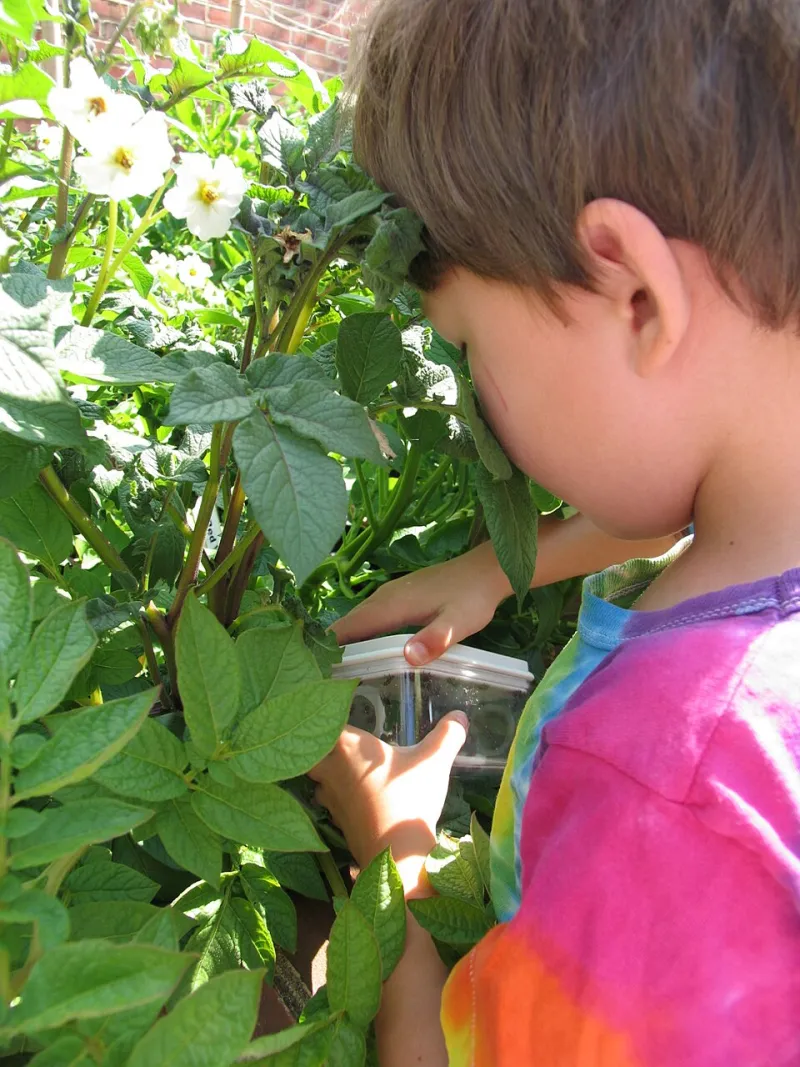
Photo: Arlington County, CC BY-SA 2.0, via Wikimedia Commons
The Honest Truth About Growing Food in Kitsap
Let's just say it plainly: the Pacific Northwest is not tomato country. Not naturally, anyway. Our springs are cool and wet well into June. Our summers are genuinely wonderful but short — that reliable stretch of warm, dry days runs roughly from mid-July to mid-September in a good year. And then September arrives, the marine layer rolls back in, and everything starts winding down faster than you'd like.
For gardeners used to longer seasons — or for anyone who moved here from California or the Midwest — this can feel like a real limitation. Plenty of people plant their first Kitsap vegetable garden with high hopes and end up harvesting a handful of cherry tomatoes before the rains return.
But here's what experienced local growers know: the answer isn't to fight the climate. It's to work smarter within it. And container gardening is one of the most effective tools for doing exactly that.
Why Containers Make Sense Here Specifically
Container gardening isn't just a workaround for people without yard space, though it's great for that too. In a climate like ours, growing food in containers solves several problems at once.
First, containers warm up dramatically faster than in-ground soil in spring. Our clay-heavy soils hold cold temperatures long after the air has warmed, which delays planting and slows root development. A dark-colored pot sitting on a south-facing patio can have soil temperatures several degrees warmer than the ground beside it — and for heat-loving crops like basil, peppers, and tomatoes, those degrees matter enormously.
Second, containers are mobile. This is a bigger deal than it sounds. You can chase sunlight as the season shifts, move plants under an overhang when early fall rains hit, and bring tender herbs indoors before the first frost. A raised bed can't do any of that.
Third, you control the soil completely. No dealing with Kitsap's notoriously rocky, compacted, or clay-dense native soil. You fill your containers with exactly the mix your plants need, and you're off to a much better start than most in-ground gardens.
Choosing the Right Containers
Size matters more than aesthetics when you're growing food. Small pots dry out quickly, restrict root development, and require constant attention. For vegetables, bigger is almost always better.
For tomatoes, peppers, and larger herbs like rosemary or sage, aim for containers that hold at least five gallons — ten is better. Determinate tomato varieties (more on those in a moment) can do well in five-gallon pots, but indeterminate types really need the extra room.
For salad greens, radishes, herbs like basil and cilantro, and shallow-rooted crops, a twelve-inch pot or a wide window box works fine. These crops don't need depth, they need surface area.
Material matters too. Terracotta looks beautiful but dries out fast in warm weather, which means more frequent watering. Fabric grow bags have become popular with local gardeners for good reason — they air-prune roots, prevent overwatering, and fold flat for storage in the off-season. Dark-colored plastic or resin pots absorb heat efficiently, which is a genuine advantage in our climate.
Whatever you choose, make sure drainage holes are large and unobstructed. Root rot is the number one killer of container plants in the Pacific Northwest, where our instinct to water heavily can work against us during our wetter months.
The Varieties That Actually Deliver Here
This is where a lot of beginner container gardeners go wrong — they grab whatever looks good at the garden center without checking whether it's suited to a short, cool season.
For tomatoes, look specifically for varieties bred for cool climates and short seasons. Stupice, a Czech heirloom, is a consistent performer in the Pacific Northwest and produces flavorful fruit even in marginal summers. Siletz was developed right here in the region and sets fruit at lower temperatures than most varieties. Glacier is another early producer that won't leave you waiting until September for your first ripe tomato.
For peppers, Shishito and Padron peppers mature faster than bell peppers and handle cooler conditions more gracefully. If you're set on bells, Ace is a reliable shorter-season option.
Herbs are honestly some of the easiest container crops in Kitsap. Parsley, chives, mint, thyme, and oregano are practically bulletproof here. Basil is trickier — it wants heat and hates cold nights — but a south-facing spot against a wall that radiates warmth can make it work.
For greens, the shoulder seasons are actually your friend. Lettuce, spinach, arugula, and kale thrive in the cool, moist conditions of April-May and again in September-October. Plant them in containers during those windows and you'll have more salad than you know what to do with.
Strategic Placement for Maximum Warmth
Where you put your containers matters as much as what you plant in them. In Kitsap, you're essentially trying to manufacture a slightly warmer microclimate than what nature hands you.
South and west-facing walls, fences, and patios are your best friends. Surfaces that absorb heat during the day and radiate it back at night extend your effective growing season on both ends. A container sitting against a south-facing cedar fence is in a meaningfully different microclimate than the same container in the middle of an open lawn.
Pavement and concrete also retain heat, which is why a patio or driveway edge is often warmer than a garden bed nearby. If your patio has a roof overhang or pergola, even better — you get warmth retention plus protection from early-season rain that can chill soil and promote disease.
Avoid low spots in your yard where cold air settles overnight. Even a slight elevation — a deck, a raised platform — can keep containers a few degrees warmer during those critical spring and fall nights.
Extending the Season Without a Full Greenhouse
You don't need a greenhouse to squeeze more productivity out of Kitsap's growing season, though we certainly won't talk you out of one. A few lower-tech approaches work surprisingly well.
Row cover fabric — lightweight spun polyester that lets light through while trapping warmth — can protect container plants from frost and add several degrees of overnight warmth. Drape it loosely over plants on cold nights and remove it during warm days. It's inexpensive, reusable, and genuinely effective.
For tomatoes and peppers especially, consider using a Wall-O-Water or similar season extender in early spring. These plastic tepees filled with water absorb heat during the day and release it overnight, allowing you to set out warm-season transplants several weeks earlier than you otherwise could.
And when fall arrives and the rains start creeping back in, don't abandon your containers — move them. A covered porch, a garage with a south-facing window, or even just an overhang can keep tomatoes producing well into October some years.
Soil, Water, and Feeding in Containers
Container plants live in a closed system, which means they depend entirely on you for nutrients and water. Regular garden soil is too dense for containers — it compacts quickly and drains poorly. Use a quality potting mix, and for vegetables, consider blending in some compost for extra fertility.
Watering frequency varies with weather, container size, and plant type, but a good general rule is to check daily during warm stretches and water when the top inch of soil is dry. Containers dry out fast in summer heat, and drought stress during fruiting can cause blossom drop and poor flavor.
Feed your container vegetables regularly — every two weeks during the growing season with a balanced liquid fertilizer works well for most crops. Unlike in-ground plants that can access nutrients in surrounding soil, container plants exhaust what's in the pot relatively quickly.
Start Small, Grow From There
If you're new to container gardening, resist the urge to go all-in your first season. Start with three or four containers — maybe a couple of tomatoes, a pot of mixed herbs, and a window box of salad greens. Learn how those specific plants behave in your specific spot on your specific property, and build from there.
The gardeners who thrive in Kitsap's climate aren't the ones who fight hardest against it. They're the ones who pay attention, adapt, and find the little tricks that work in their particular corner of the Peninsula. Stop by Kitsap Country Nursery this spring and let's help you figure out where to start.