What Happens Underground Matters Most: Keeping Roots Alive Through Pacific Northwest Winters
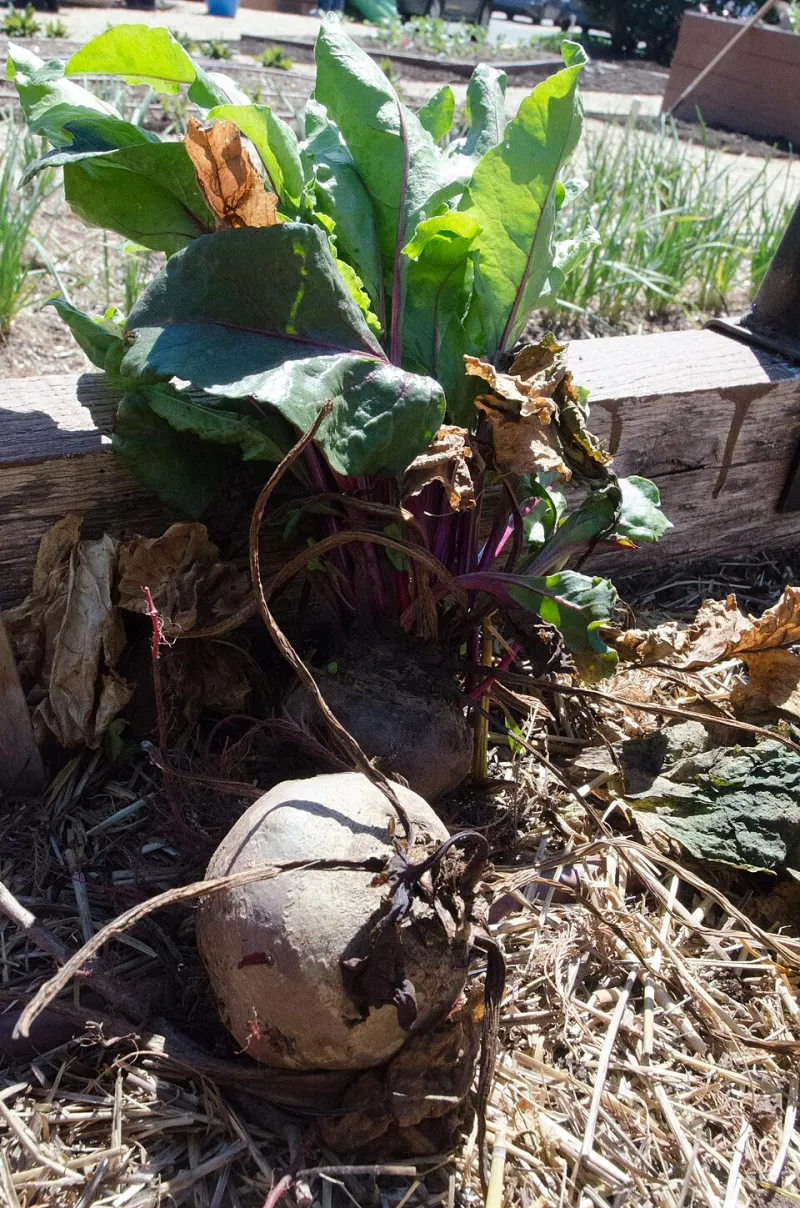
Photo: USDAgov, Public domain, via Wikimedia Commons
Most gardeners think about winter protection in terms of what they can see — wrapping shrubs in burlap, pulling tender annuals before the first frost, maybe tossing a frost cloth over a prized camellia. But here in the Kitsap Peninsula, the real threat to your garden isn't always the cold itself. It's what happens in the soil beneath your feet.
The Pacific Northwest has a climate unlike most of the country. We don't get the sustained deep freezes of the Midwest or the dry cold of the Mountain West. Instead, we get something arguably harder on plants: a relentless cycle of saturated soil, brief hard freezes, and rapid thaws that repeat all winter long. That pattern — wet, freeze, thaw, wet again — is one of the most damaging things a root system can experience.
At Kitsap Country Nursery, we talk to gardeners every spring who are puzzled by plants that looked perfectly fine going into winter but came out the other side looking ragged, stunted, or just plain dead. More often than not, the answer is underground.
Why Freeze-Thaw Cycles Are Harder on Roots Than a Single Hard Freeze
Here's the thing about a classic freeze: plants have evolved to handle it. Dormancy kicks in, cellular processes slow down, and most hardy species can survive temperatures well below freezing as long as the cold comes gradually and the soil stays reasonably stable.
The trouble starts when the ground freezes, thaws, and freezes again — sometimes within the same week. This freeze-thaw cycle causes what's called frost heave, a process where expanding ice crystals in the soil literally push plant roots upward. Shallow-rooted perennials, newly planted shrubs, and bulbs are especially vulnerable. A plant that gets heaved out of the ground even partially is suddenly exposed to desiccating air and temperature swings its roots were never designed to handle.
And then there's the water. Our heavy winter rainfall keeps Kitsap soils saturated for months. Saturated soil freezes differently than dry soil — the ice forms larger crystals, expands more aggressively, and damages root cell walls in ways that don't always show up until the plant tries to push new growth in spring.
Mulch Is Your Best Friend (But Only If You Use It Right)
If there's one thing you can do right now to protect your garden's root zone, it's applying a proper layer of mulch. But there's a right way and a wrong way to do it for our region.
How much mulch? For most perennials and shrubs, 3 to 4 inches of organic mulch is the sweet spot. Enough to insulate the soil and buffer temperature swings, but not so thick that it holds excessive moisture right against the crown of the plant.
What kind of mulch? In the Pacific Northwest, shredded bark, wood chips, or arborist chips work beautifully. They break down slowly, improve soil structure over time, and don't compact into an impermeable mat the way some finer mulches can. Avoid piling on fresh grass clippings or anything that mats down and traps anaerobic moisture.
The crown rule: Always pull mulch a few inches back from the base of shrubs and perennials. Mulch piled directly against a stem or crown creates the perfect environment for crown rot — a fungal problem that's even more common in wet winters like ours.
For newly planted trees and shrubs — anything that went in the ground this fall — extend your mulch ring out to the drip line if you can. That's where the feeder roots are, and those are the ones most vulnerable to frost heave.
Soil Amendments That Help Before Winter Sets In
If you're reading this before the ground has frozen solid, you still have time to make a meaningful difference. A few targeted soil amendments can dramatically improve how your garden's root zone handles winter stress.
Compost: Working a 2-inch layer of finished compost into the top few inches of soil (or simply top-dressing it and letting worms do the work) improves drainage in heavy clay soils and increases water retention in sandy ones. Both matter for root health. Well-amended soil also freezes and thaws more evenly, reducing frost heave.
Grit or perlite in problem spots: Got a bed that puddles every time it rains? Adding coarse grit or perlite to the planting area helps water move through faster, reducing the prolonged saturation that leads to root rot and ice damage.
Avoid fertilizing: This one's about what NOT to do. Applying nitrogen-heavy fertilizer in late fall pushes tender new growth that's completely unprepared for cold. Let your plants harden off naturally.
Plant-Specific Strategies Worth Knowing
Not every plant needs the same approach, and a few regional favorites deserve special mention.
Japanese maples: These are beloved throughout Kitsap, and for good reason — but their shallow, fibrous root systems are prime candidates for frost heave. A generous mulch ring and, for younger trees, a temporary wind barrier on the north and east sides can make a real difference.
Rhododendrons and azaleas: Our local climate is practically made for rhodies, but their roots are surprisingly shallow. Keep the mulch layer consistent and avoid foot traffic near the root zone all winter — compacted wet soil is bad news for these acid-lovers.
Ornamental grasses: Most are tougher than they look, but leaving the foliage standing through winter actually helps insulate the crown. Hold off on cutting them back until late February or early March.
Perennial vegetables (like asparagus and artichokes): A thick mulch layer — 6 inches or more — over the crown of these plants is worth the effort. Asparagus crowns in particular can be heaved right out of the ground in a bad freeze-thaw winter.
A Few Things to Watch for Once Winter Arrives
Winter root care isn't entirely a set-it-and-forget-it situation. Walk your garden on mild days and keep an eye out for heaved plants — if you spot a perennial that's been pushed up out of the soil, gently press it back down and add more mulch around it. Don't wait until spring.
Also watch for standing water. If a planting bed is pooling water for days at a time after rain, that's a drainage problem that will only get worse. In severe cases, it might be worth temporarily redirecting water away from vulnerable plantings until you can address the underlying issue.
Roots First, Always
Gardening in the Pacific Northwest is a year-round relationship, and winter is when that relationship gets tested. The gardeners who come out of winter with the strongest, most vigorous plants aren't necessarily the ones who did the most — they're the ones who paid attention to what was happening underground.
If you're not sure what your soil needs, stop by Kitsap Country Nursery. We're happy to talk through your specific situation, recommend the right mulch or amendment for your beds, and help you build a winter prep plan that makes sense for your garden. Because taking care of the roots now means everything you plant, grow, and love above ground has a real shot at thriving come spring.