Your Year in the Garden: A Month-by-Month Planting Guide Built for Kitsap's Climate
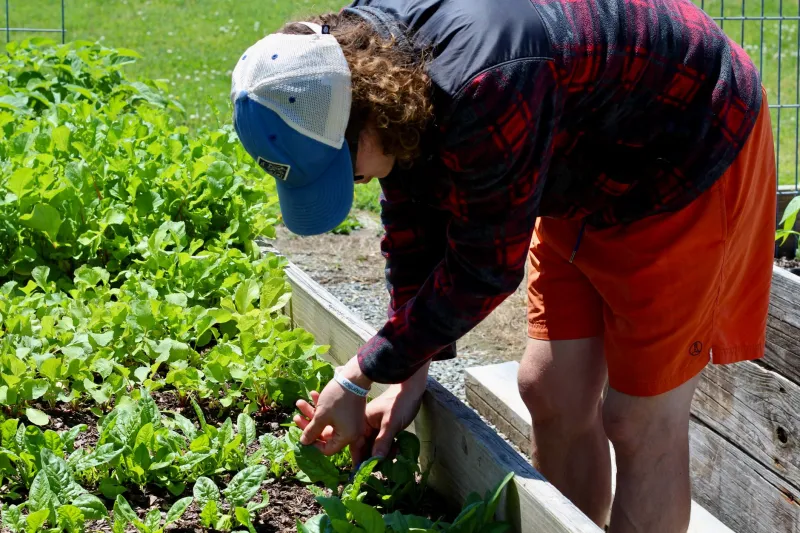
Most gardening calendars are written for somewhere else. They assume a tidy spring, a predictable frost date, and a summer that arrives on schedule. If you've gardened in Kitsap County for more than one season, you already know that's not quite how things go here.
We get mild winters that occasionally bite, springs that feel more like extended falls, and summers that are genuinely gorgeous — if a little short. The good news? Once you stop fighting that rhythm and start working with it, this region is one of the most rewarding places on the West Coast to grow things. Here's how to do it, month by month.
January & February: Rest Isn't Wasted Time
These months feel quiet, but there's more going on than you'd think. Soil temperatures hover around 35–40°F, and while that's too cold for most planting, it's the right time to get organized.
Order seeds now — especially from Pacific Northwest-focused suppliers who stock varieties suited to our cool, wet springs. Bare-root fruit trees, roses, and ornamental shrubs can actually go in the ground during mild stretches in late January or February, as long as the soil isn't waterlogged or frozen solid. Check drainage in any low spots of your yard; standing water this time of year is a warning sign worth addressing before the growing season starts.
Prune dormant deciduous trees and shrubs on dry days. Kitsap typically sees frost risk through mid-March, so hold off on anything tender.
March: Read Before You Dig
March is when the itch to plant gets almost unbearable — and when a lot of local gardeners make their first mistake of the year. Our last average frost date in Kitsap falls somewhere between mid-March and early April depending on your specific microclimate (lower elevations near the water tend to run a bit warmer).
Before you put anything in the ground, squeeze a handful of soil. If it holds its shape and doesn't crumble, it's still too wet to work without compacting. Give it more time. What you can do: start cool-season crops like peas, spinach, and kale indoors or under a cold frame. Get your raised beds prepped with compost. And start hardening off any seedlings you've been growing inside.
This is also a great month to divide perennials that have gotten crowded, and to cut back ornamental grasses before new growth emerges.
April: The Season Opens Up
April is when Kitsap gardens genuinely start moving. Soil temps begin climbing toward 50°F, which is the threshold for most vegetable root activity. Direct-sow carrots, beets, lettuce, and radishes outside. Transplant those cold-hardy starts you've been nursing along.
Native plants — camas, red flowering currant, osoberry — are already doing their thing, and this is a smart time to add more to your landscape. They're actively growing and will establish quickly with the natural rainfall we still get through April and May.
Watch for slugs. Seriously. They're at peak activity right now, and a tray of seedlings can disappear overnight. Iron phosphate bait is effective and safe around pets and wildlife.
May: Full Swing, With Caution
May feels like summer, and sometimes it is — but Kitsap has a history of surprise cold snaps well into the month. Wait until after Mother's Day to transplant tomatoes, peppers, basil, and other warm-season crops outdoors, or be ready to cover them if temperatures dip.
This is the best month to plant hanging baskets and container arrangements for your porch or patio. It's also prime time to get new trees and shrubs in the ground while the soil is warm enough to encourage root growth but still moist enough to reduce transplant stress.
Fertilize roses and fruit trees once new growth is actively underway. Mulch garden beds to lock in moisture before the drier months arrive.
June & July: Make the Most of the Sun
Kitsap's summer is legitimately beautiful — warm, mostly dry, and long-dayed. Average high temperatures in July hover in the upper 70s, though heat waves have become more common in recent years. Keep an eye on water-stressed plants during any stretch of 80°F+ days.
Direct-sow beans, squash, and cucumbers in early June if you haven't already. Continue succession planting lettuce and other greens every two to three weeks to keep harvests coming. Deadhead flowering perennials to extend bloom time.
This is also the window to take softwood cuttings from shrubs like lavender, salvia, and fuchsia if you want to propagate new plants for fall.
August: Harvest Mode
Things are producing now. Stay on top of harvesting — zucchini especially — and keep beds weeded so plants aren't competing for water and nutrients. Deep, infrequent watering is better than light daily sprinkles; it encourages deeper root systems that handle stress better.
Start planning your fall garden. Sow kale, chard, and broccoli starts by mid-August so they're ready to transplant in September. Garlic won't go in until October, but order your seed garlic now before the good varieties sell out.
September & October: The Fall Window
September is one of the most underrated planting months in Kitsap. Soil is warm, air temps are cooling, and the rains are starting to return — ideal conditions for establishing perennials, shrubs, and trees with minimal irrigation. Spring bulbs go in from October onward; plant them before the first hard frost, which typically arrives sometime in November.
Sow a cover crop like crimson clover or winter rye in any empty vegetable beds to protect soil structure over winter. Bring in tender container plants before nighttime temps drop below 40°F consistently.
November & December: Wind Down and Set Up
Clean up spent plant material, but leave seed heads and hollow stems for overwintering beneficial insects. Mulch perennial beds and the root zones of newly planted trees and shrubs. Store tools properly — a little maintenance now means they'll be ready when you need them in spring.
And then, honestly? Rest. Flip through seed catalogs. Think about what worked this year and what you'd do differently. That reflection is part of gardening too.
A Calendar That Grows With You
No two Kitsap gardens are exactly alike. Your elevation, proximity to the water, and the specific microclimates in your yard all influence what works and when. Think of this calendar as a strong starting point — then adjust it based on what your own garden tells you over time.
Stop by Kitsap Country Nursery any time you have questions about timing, plant selection, or what's performing well locally right now. We're here year-round, and we love talking through the specifics with neighbors who are as invested in this place as we are.