Hold Off on That Mulch: Why Spring Cleanup in Kitsap Needs Better Timing Than You Think
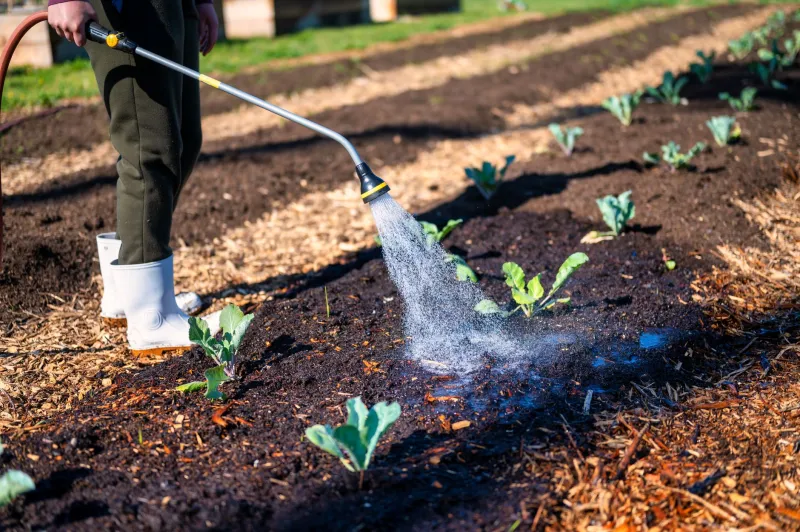
There's something deeply satisfying about getting out into the garden on the first halfway-decent March day and doing something. Raking, tidying, topping off beds with a fresh layer of mulch — it all looks great and feels even better. The problem? In Kitsap County, that impulse to get a jump on spring can actually set your garden back weeks, or worse, invite the kind of fungal damage that lingers all season long.
This isn't a knock on mulching. Mulch is one of the best things you can do for your garden. But when you apply it matters enormously here in the Pacific Northwest, and most of the gardening advice you'll find online was written for places with very different spring weather than ours.
What's Actually Happening in Your Soil Right Now
Kitsap County averages somewhere around 55 to 60 inches of rainfall annually, and a big chunk of that falls between October and April. By the time March arrives, your garden soil has been saturated for months. It's cold, it's dense with moisture, and it's just beginning the slow process of warming up as days get longer.
That warming process is critical. Soil temperature — not air temperature — is what actually signals plants to wake up and start pushing new growth. When you pile fresh mulch onto cold, wet soil, you're essentially putting a lid on it. The mulch insulates the ground, slowing the warming process and keeping that excess moisture trapped right where it can do the most damage: at the crown and root zone of your plants.
Crowns sitting in prolonged moisture are prime candidates for crown rot, a fungal condition that can kill an established perennial seemingly overnight. You'll often notice it too late — the plant looks fine, then suddenly collapses. By the time you see the problem, the damage is already done underground.
The Fungal Problem Is Bigger Than You'd Expect
Our regional climate is genuinely hospitable to fungal pathogens. The same mild, moist conditions that make Kitsap such a productive place to garden also create a near-perfect environment for botrytis (gray mold), pythium root rot, and various crown rot organisms. These fungi thrive in cool, wet, low-airflow conditions — which is exactly what a thick layer of early spring mulch creates.
Woody ornamentals, herbaceous perennials, and even shrubs that have been perfectly healthy for years can suddenly struggle when mulch is piled up too early and too deep. This is especially true for plants that are just beginning to push new growth. Those tender emerging shoots need air circulation, not a damp blanket trapping moisture around their base.
The irony is that gardeners apply mulch precisely because they want to protect their plants. The intention is right. The timing is just off.
So When Should You Actually Mulch?
The short answer for Kitsap gardeners: wait until your soil has had a chance to drain and begin warming. In practical terms, that usually means late April to mid-May for most areas of the peninsula, though south-facing beds in more sheltered spots might be ready a bit earlier.
Here's a simple test before you reach for the mulch pile. Dig down about three inches and grab a handful of soil. If it clumps together and feels cold and wet when you squeeze it, hold off. If it crumbles apart relatively easily and feels closer to room temperature, you're in better shape.
You're also looking for visible signs that your perennials are actively emerging. Once you can see consistent new growth pushing up through the soil, the plant is telling you it's awake and the ground has warmed enough to support it. That's your green light.
A Spring Cleanup Schedule That Actually Works Here
Rather than treating spring cleanup as a single March event, think of it as a phased process spread across several weeks.
Late February to Early March — Light Debris Removal Only This is the time to pull out dead annuals, cut back ornamental grasses, and remove any plant debris that's been sitting on beds all winter. Focus on clearing the surface without disturbing the soil. Leave perennial crowns exposed to air and light. Don't add anything to the beds yet.
Mid to Late March — Assess and Edge Once the worst of the winter rain starts to taper off, you can edge beds, remove any remaining weeds that have germinated, and do a full assessment of what made it through winter and what didn't. Still no mulch. Let the soil breathe.
Early to Mid-April — Soil Amendment if Needed If you want to work compost into your beds, this is a better time to do it than March. The soil is beginning to drain, and incorporating organic matter gives it time to settle before your main planting push. Keep it light — you're amending, not burying.
Late April into May — Mulch Application Once soil temperatures are consistently above 50°F and your perennials are visibly growing, go ahead and apply mulch. Keep it to two to three inches maximum, and pull it back a few inches from plant crowns and woody stems. You want moisture retention and weed suppression, not a swamp.
A Few More Kitsap-Specific Tips
Choose mulch materials thoughtfully. Coarser materials like bark nuggets or wood chips allow more airflow than fine-textured mulches, which can mat down and stay wet. If you're mulching around plants that are prone to crown rot — hostas, delphiniums, and many ornamental grasses come to mind — a coarser material is worth the extra cost.
Avoid piling mulch directly against the base of trees and shrubs. The "mulch volcano" look might seem tidy, but it's genuinely harmful, especially in a climate as wet as ours. A flat, even layer that stops a few inches short of the trunk is far better for the plant.
And if you have areas of your garden that tend to stay waterlogged even into late spring, consider whether mulch is the right solution at all. Sometimes those spots benefit more from improved drainage or a switch to plants that actually prefer wet feet — Pacific Northwest natives like red osier dogwood or skunk cabbage — rather than a mulch layer that compounds the problem.
Work With the Weather, Not Against It
Kitsap's spring has its own rhythm, and it doesn't sync up with the national gardening calendar. That's actually one of the things that makes gardening here so interesting — you learn to read your specific piece of ground rather than following generic advice.
At Kitsap Country Nursery, we talk to local gardeners every single day, and the mulch timing question comes up more than you'd think. The good news is it's an easy fix once you know about it. Slow down, let the soil tell you what it needs, and your spring garden will be much better for it.