What That Little Tag Is Actually Telling You: A Kitsap Gardener's Guide to Reading Plant Labels
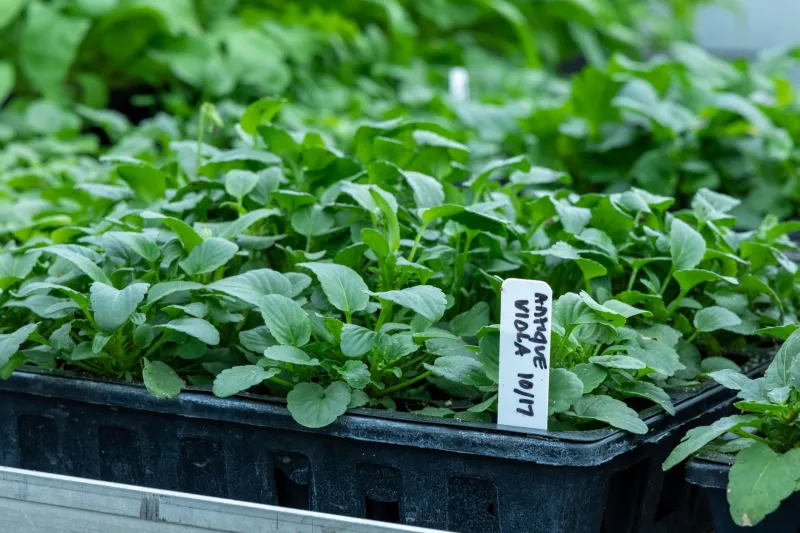
You've been there. You're standing in the nursery, a plant in each hand, and both tags look like they were written by someone who really, really loves abbreviations. "Zones 7–9. Full sun to part shade. Moderate water. Space 18–24 in." Great. But what does any of that actually mean for your yard in Kitsap County?
Here's the thing — plant tags aren't trying to confuse you. They're just written for a broad national audience, which means the details don't always translate cleanly to the Pacific Northwest. Once you know how to interpret the fine print through a local lens, those little plastic tags become genuinely useful tools instead of a source of frustration.
Let's walk through what you're actually looking at.
The USDA Zone Number Is a Starting Point, Not a Guarantee
The USDA Plant Hardiness Zone Map divides the country into zones based on average annual minimum winter temperatures. Kitsap County sits primarily in Zone 8b, which means our coldest nights typically bottom out between 15°F and 20°F. If a tag says "Zones 7–9," you're theoretically in the sweet spot.
But here's where it gets interesting: Kitsap isn't just one climate. The west-facing slopes near the Hood Canal behave differently than a sheltered south-facing garden in Silverdale. A narrow ravine in Bremerton can trap cold air and act more like a Zone 7 microclimate, while a raised bed against a south-facing wall might push into Zone 9 territory during a warm summer. The zone on the tag is a useful baseline, but your specific yard might tell a different story.
When you're shopping at the nursery, don't hesitate to ask us about local performance. A plant tagged for Zone 8 that we've grown successfully through multiple wet Kitsap winters is a much safer bet than one we've only seen thrive in drier, warmer parts of the zone.
"Full Sun" Means Something Different Here
In Kansas, full sun means brutal, relentless heat. In Kitsap, it means something more forgiving — and that's actually good news. Many plants labeled as "full sun" in other parts of the country will do just fine with the six-plus hours of indirect or filtered light we get during our mild summers.
Conversely, be cautious with plants that are labeled "drought tolerant" or "thrives in heat." These tags are often written with Mediterranean or high-desert climates in mind. A lavender that loves baking in a California summer may survive here, but it'll need sharp drainage and a very sunny spot to avoid rotting out over a wet Kitsap winter. The water needs listed on the tag assume a certain baseline — and our baseline is wetter than most.
Decoding Water Needs Without Losing Your Mind
Tags typically use vague language like "moderate water," "drought tolerant," or "regular moisture." None of these phrases account for the roughly 55–60 inches of rain Kitsap gets annually, most of it falling between October and April.
Here's a practical way to interpret water language for our region:
- "Drought tolerant" — Once established, these plants should handle our dry summers (July through September) with minimal supplemental watering. You'll still need to water during the first season while roots get settled.
- "Regular moisture" or "moderate water" — These plants will likely do fine on natural rainfall for most of the year, but may need weekly watering during our dry stretch.
- "Consistent moisture" or "moist soil" — This is where you need to think carefully. These plants are happiest near a rain garden, a low spot in the yard, or somewhere that stays naturally damp. If your soil drains fast, this tag is a warning sign.
The key question isn't just how much water a plant needs — it's whether your soil holds or drains moisture, and whether you're willing to supplement during summer.
Spacing Requirements: Don't Ignore These
It's tempting to plant things close together for that lush, full look right away. But Kitsap's cool, humid conditions mean crowded plants stay wet longer, which creates the perfect environment for fungal issues and root rot. When a tag says "space 24–36 inches apart," that's not just about aesthetics — it's about airflow.
Give plants room to breathe, especially shrubs and perennials that will fill in over time. If the garden looks sparse the first year, resist the urge to compensate by cramming in extras. Mulch the open space instead and let things develop naturally.
Watch Out for Marketing Language
Plant tags are also mini-advertisements, and some phrases are more hype than horticulture. "Deer resistant" is a classic example — it really means "deer find this less appealing than other options, but they'll still eat it if they're hungry enough." If you've got heavy deer pressure in your neighborhood, that label alone shouldn't be your deciding factor.
Similarly, "low maintenance" is relative. A plant that's low maintenance in its native habitat may require specific soil amendments, drainage modifications, or pruning to perform here. Ask us what "low maintenance" actually looks like for that specific variety in a Kitsap garden before you commit.
The Best Tool in the Nursery Is the Person Standing Next to You
All the tag reading in the world only gets you so far. The real advantage of shopping at a local nursery — rather than grabbing something off a big box store shelf — is that we've actually grown these plants in this region. We know which varieties handle our wet winters without complaint, which ones look great in spring and sulk by August, and which tags are underselling what a plant can actually do here.
Bring your questions. Describe your yard — sun exposure, soil type, drainage, deer situation, how much time you realistically want to spend watering. The more specific you are, the better we can help you find something that's going to thrive rather than just survive.
Because at the end of the day, that little plastic tag is just the beginning of the conversation. Your garden — your specific corner of Kitsap County — is where the real story gets written.